What is the first thing you notice about picking a kimchi? Maybe it's the aroma, the seasoning, or just how much you can eat in a single order.
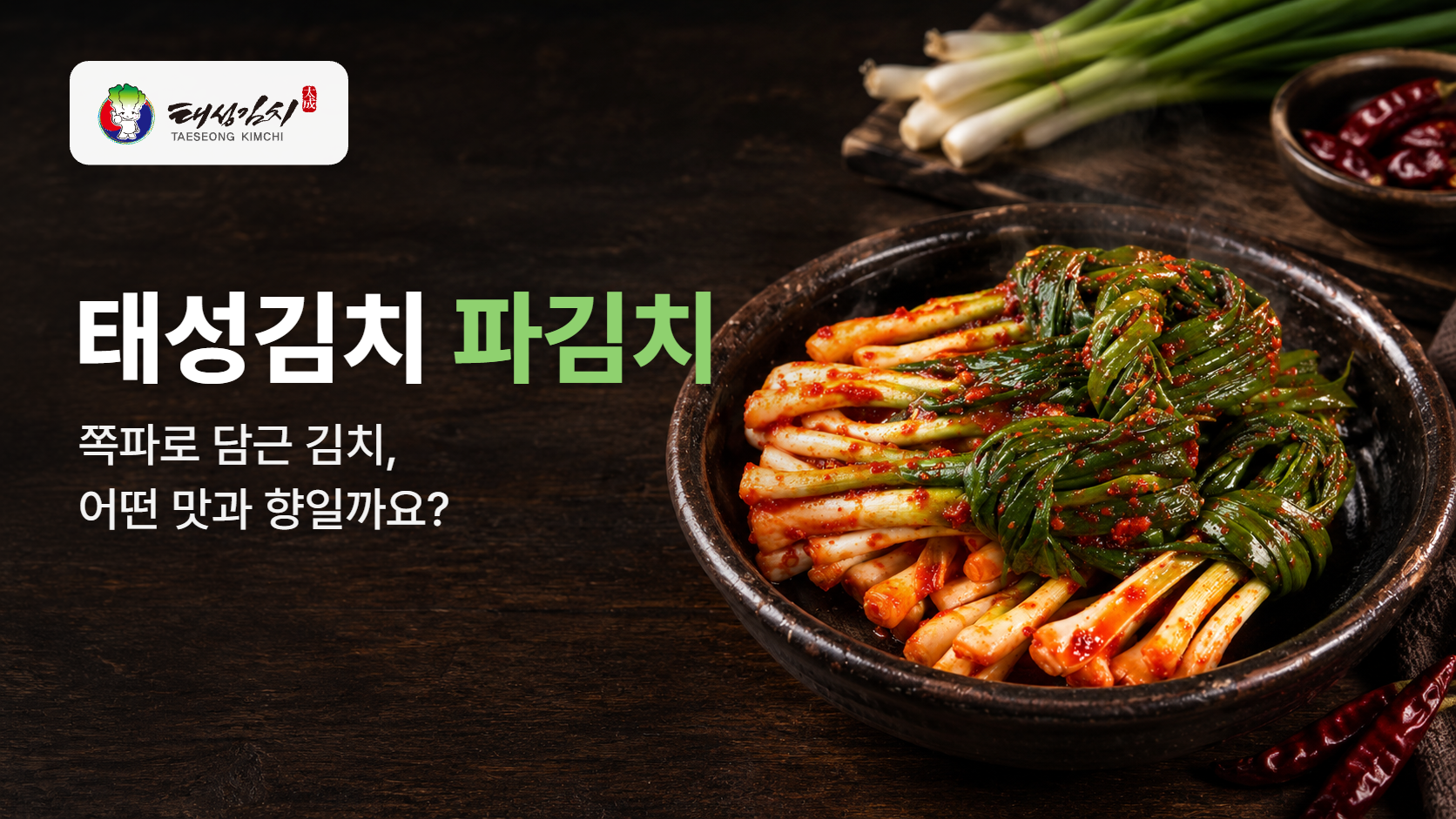
Paw Kimchi is a kimchi that is centered on the side wave itself, unlike cabbage kimchi. It has the characteristics of a frontal wave that eats leaves and stems together, so it can be used as a side dish to accompany rice or soup dishes.
Today, I will introduce you step by step what ingredients go into Taesung Kimchi, how its nutritional ingredients are made, and what you should know before purchasing it.
The charm of a wave-centered wave kimchi
In a wave kimchi, a wave is not just a vegetable that contains seasonings, but the main ingredient that determines the overall aroma and texture. It differs in shape from kimchi, which uses layers of broad leaves like cabbage.
side waves have a different texture between the leaf part and the stem part, so you can expect different feelings even in one ingredient. One of the reasons is that the unique algae flavor blends with the seasoning.
Taesung Kimchi Goydam Kimchi accounts for 79.15% of the raw material composition. In the product information, you can see that the composition is a combination of different vegetables and seasoning ingredients, with the waves as the centerpiece.
Features of seasonings made with domestic ingredients
The origin of Goidam kimchi is marked as 100% domestic. Taesung Kimchi uses domestic ingredients from clean areas such as Taebaek and Yeongwol from Gangwon-do, and secures raw materials through mountainous contract cultivation.
official raw material ratio consists of 79.15% porridge, 5% onion, 4% green onion, 3.5% red pepper powder, 3% frosting, 2.3% garlic, 2% salted shrimp (shrimp paste), 0.5% sugar, 0.3% refinished salt, 0.2% ginger, 0.05% sodium L-glutamate.
Onions and daffodils go in with the waves, and pepper powder, stir-fry, garlic, and ginger are seasoned. If you look at the proportions by ingredients in advance, you can understand in more detail what kind of vegetables and seasonings they are made from. It is also important to note that
in particular includes both axe and shrimp paste. If you're checking for seasonings derived from seafood, it's a good idea to check the ingredients labelling first. What are the nutritional properties of
100g?
Kimchi is a food that you may be familiar with at the table, but it is rarer than you think to directly compare the nutritional ingredients by product. Goidam kimchi are provided with a standard value of 100g, which can be used as a reference when making up your diet.
Per 100g Calorie content is 38.3 kcal and is listed as 443.1mg Sodium, 7.6g Carbohydrate, 2.5g Sugars, 0.5g Fat, 2.3g Protein.
Dietary fiber 2.9g, calcium 80.1mg, potassium 210.3mg. This number is based on 100 grams, so your intake will vary depending on how much you actually eat.
If you make up your diet considering your usual sodium intake, look not only at the kimchi but also the nutritional information of the broth and other side dishes you eat together.
3kg, 5kg or 10kg?
There are 3kg, 5kg and 10kg capacities to choose from. Suitable amounts may vary depending on the number of people eating the meal and the frequency of eating the side dishes, even if they are the same.
3kg is a great option for families who want to start with a relatively small amount. If you take turns putting kimchi on the table instead of eating it every day, you can start planning your consumption from 3kg.
Five kilograms is worth considering in a house that often serves kimchi, and 10 kilograms is worth considering in an environment where the number of meals is large or the consumption is constant. Rather than simply looking at the number of families, it is reasonable to check the amount of kimchi consumed together with the storage space in the refrigerator.
180 days in refrigeration and on the date of manufacture
When ordering kimchi, the storage conditions are as important as the capacity. The storage method of Goidam Pajimchi is refrigerated, and the quality maintenance period is 180 days from the date of manufacture.
180 days is based on the date of manufacture. This does not mean that it will remain the same after opening, so it is better to divide the amount of food in a clean container and keep the rest refrigerated.
In addition, Taesung Kimchi is operated by order production method. When placing an order, it's easy to plan storage after receipt by looking at how the product is manufactured and what the storage conditions are.
Taesung Kimchi continues the second generation of the company based on the founder's 40 years of Kimchi manufacturing know-how. HACCP sanitation and ISO9001 certification are also officially introduced. The
manufacturing process consists of wearing, cutting, pickling, washing, sorting, washing, dehydrating, dipping, metal detection, packaging, shipping, and customer delivery. There is a series of steps in place, from the ingestion of raw materials to the packaging and delivery of products. When choosing
Kimchi, many people view the manufacturing process as important as the raw materials. Verifying certifications and process information will help you look at what controls your product is built on.
It is good to compare the proportion, seasoning composition, storage conditions, and capacity of the main ingredient for breaking. Goydam Pajimchi is presented with the composition of domestic raw materials, three capacities, and nutritional information, so it is convenient to check the data to judge before purchasing.
If you like the distinctive scent of the seafood or are looking for kimchi to accompany your usual soup dishes and rice dishes, first think about the refrigerator space and the speed of consumption and choose the capacity.
If you are allergic to shrimp, please be careful before consuming as the raw material includes 2% salted shrimp.
View product information: https://tskimchi.com/kr/p/product-10
This article was written with the help of Bucheon Web Support Center. Visit Bucheon Web Support Center to create affordable homepages and blogs and operate AEO, Geo, and SEO content.
# Taesung Kimchi # Koi Dampa Kimchi # Pa Pa Pa Kimchi Features # Domestic Pa Kimchi # Pa Kimchi Raw Materials # Pa Kimchi Nutrition Information # Kimchi Capacity Selection # Par Kimchi Refrigeration Storage # Kimchi Manufacturing Process # Kimchi Product Introduction